
"station fruit"
2000 article(s) found
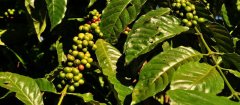
Muxiuyi, western province of Luanda, washed fine coffee, raw beans, single bourbon beans.
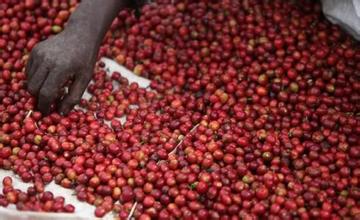
Like many African countries, Rwandan coffee is mainly produced by small farmers, and the ripe cherry fruits are collected and sent to the processing station every year during the harvest period. During the annual harvest period, the ripe coffee berries picked by farmers are concentrated in the treatment station for treatment, first selected by hand to ensure that no immature or damaged fruit is mixed in. Then remove the peel in a cool, cold ring

A brief introduction to the History and Culture of the Origin and Development of Fine Coffee and beans in Kimmel Manor with a long aftertaste
In recent years, Rwanda has made great progress in the production and processing of coffee. First of all, coffee fruits are picked manually; coffee production cooperatives are set up all over the country to provide technical guidance to coffee farmers; coffee farmers send them to coffee processing stations for cleaning and screening as soon as possible after picking, and select mature and high-quality coffee fruits for processing Rwanda (Rwanda) Coffee

Rwanda Coffee Origin Rwanda Coffee Taste
Rwandans have been growing coffee since colonial times, but until 1999, its products were still classified as below Class C and were not popular in the global market. The reason for the poor quality is that farmers do not have a fixed procedure for washing coffee beans and do not process coffee fruits according to specifications in time. Buyers buy coffee beans at $0.33 per kilogram, and farmers keep warm by the meagre profits earned at low prices.

Rwanda Coffee Flavor treatment method
Rwandans have been growing coffee since colonial times, but until 1999, its products were still classified as below Class C and were not popular in the global market. The reason for the poor quality is that farmers do not have a fixed procedure for washing coffee beans and do not process coffee fruits according to specifications in time. Buyers buy coffee beans at $0.33 per kilogram, and farmers keep warm by the meagre profits earned at low prices.

The source of washed coffee from Rwanda
Rwandans have been growing coffee since colonial times, but until 1999, its products were still classified as below Class C and were not popular in the global market. The reason for the poor quality is that farmers do not have a fixed procedure for washing coffee beans and do not process coffee fruits according to specifications in time. Buyers buy coffee beans at $0.33 per kilogram, and farmers keep warm by the meagre profits earned at low prices.

The Origin of Rwandan Coffee Flavor Flavor Manor introduction to the Chilmel Manor in the Lute Xilo region of the Western Province
Rwandans have been growing coffee since colonial times, but until 1999, its products were still classified as below Class C and were not popular in the global market. The reason for the poor quality is that farmers do not have a fixed procedure for washing coffee beans and do not process coffee fruits according to specifications in time. Buyers buy coffee beans at $0.33 per kilogram, and farmers keep warm by the meagre profits earned at low prices.

Introduction to the treatment methods of fine Rwandan coffee beans
Rwandans have been growing coffee since colonial times, but until 1999, its products were still classified as below Class C and were not popular in the global market. The reason for the poor quality is that farmers do not have a fixed procedure for washing coffee beans and do not process coffee fruits according to specifications in time. Buyers buy coffee beans at $0.33 per kilogram, and farmers keep warm by the meagre profits earned at low prices.
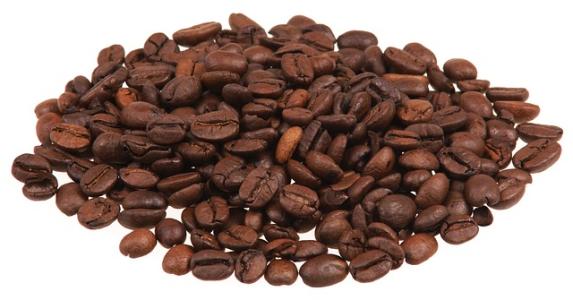
An introduction to the Historical Origin of Malaba Coffee in Rwanda
Following caf é (Wechat official account vdailycom) found that Malaba Coffee, Rwanda Malaba Coffee (Rwandan: Ikawa ya Maraba, French: Caf de Maraba) is a fair trade certified coffee grown in Malaba area of southern Rwanda. The coffee crop of Malaba is a bourbon variety of Arabica species.
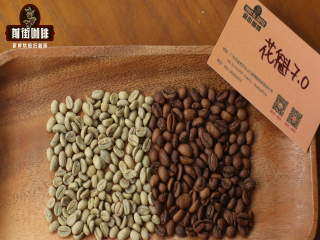
Introduction to the flavor and taste of Xidama Sun Huakui 7.0 Coffee Bean Humbela Sakui Coffee in the new season
Huakui coffee beans have been deeply concerned by domestic coffee practitioners and enthusiasts. The whole coffee circle has been discussed before the new season Sakuran coffee beans arrive in Hong Kong every year. Everyone hopes that the new year's Huakui coffee will still be as sweet as strawberries and smooth as cream. And Sakui 7.0 in the latest season

How to cook coffee beans in Kuiyeshan, Rwanda-introduction to the information of the processing station in Kuiyeshan, Rwanda
Professional coffee knowledge exchange more coffee bean information please follow the coffee workshop (Wechat official account cafe_style) Rwanda (Republika yu Rwanda) is a country in east-central Africa, the full name of the Republic of Rwanda, is located in east-central Africa south of the equator, landlocked countries. The territory is mountainous and has the title of a country of a thousand hills. Rwanda is a backward agricultural and animal husbandry country, which is United.

Sugarcane Juice Red Wine Fruit Acid, Kenya Kam Early Valley Coffee Flavor, Characteristics, Taste and Estate Introduction
Embu Washing Station from Gichugu region, Kenyan double washing method, growing in Manyata-Embu County on the eastern slope of Kenya Mountains from 1550 to 1750, varieties are Kenya classic SL28, SL34, plus the large temperature difference between day and night, and Kenya's red phosphoric acid soil, making this Kenya's second sour and sweet

Fruit acid red wine Kenya Jinchu Valley Coffee Variety characteristics Taste Manor Boutique Coffee Bean Flavor Introduction
Embu Washing Station from Gichugu region, Kenyan double washing method, growing in Manyata-Embu County on the eastern slope of Kenya Mountains from 1550 to 1750, varieties are Kenya classic SL28, SL34, plus the large temperature difference between day and night, and Kenya's red phosphoric acid soil, making this Kenya's second sour and sweet

Introduction of anaerobic fermentation Coffee Bean Flavor Coffee washing Station of Ethiopian native species WushWush
Wush Wush, which originated in the small town of Wush Wush in the Ethiopia-Cafa Forest, was introduced to a small boutique coffee farm in Colombia 30 years ago. Wush Wush, like Geisha, is a native species from Ethiopia. The difference is that Wush Wush did not shine until it was brought to Colombia, with a flavor and level no less than that of high-end Rosa Coffee.
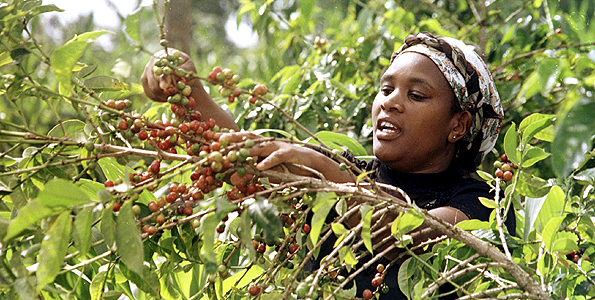
African Coffee Manor Musiui treatment Plant in the western province of Rwanda washing and treating bourbon boutique black coffee
Like many African countries, Rwandan coffee is mainly produced by small farmers, and the ripe cherry fruits are collected and sent to the processing station every year during the harvest period. During the annual harvest period, the ripe coffee berries picked by farmers are concentrated in the treatment station for treatment, first selected by hand to ensure that no immature or damaged fruit is mixed in. Then remove the peel in a cool, cold ring

Red wine fruit acid Kenya Jin early valley coffee varieties taste characteristics Manor boutique coffee beans flavor introduction
Embu Washing Station from Gichugu region, Kenyan double washing method, growing in Manyata-Embu County on the eastern slope of Kenya Mountains from 1550 to 1750, varieties are Kenya classic SL28, SL34, plus the large temperature difference between day and night, and Kenya's red phosphoric acid soil, making this Kenya's second sour and sweet

For Rwandan coffee beans, it is better to buy raw beans or roasted beans.
Rwandans have been growing coffee since colonial times, but until 1999, its products were still classified as below Class C and were not popular in the global market. The reason for the poor quality is that farmers do not have a fixed procedure for washing coffee beans and do not process coffee fruits according to specifications in time. Buyers buy coffee beans at $0.33 per kilogram, and farmers keep warm by the meagre profits earned at low prices.

Introduction to the characteristics of Rwanda Coffee Bean Flavor Manor producing area Coffee growing Environment in Rwanda
Rwandans have been growing coffee since colonial times, but until 1999, its products were still classified as below Class C and were not popular in the global market. The reason for the poor quality is that farmers do not have a fixed procedure for washing coffee beans and do not process coffee fruits according to specifications in time. Buyers buy coffee beans at $0.33 per kilogram, and farmers keep warm by the meagre profits earned at low prices.
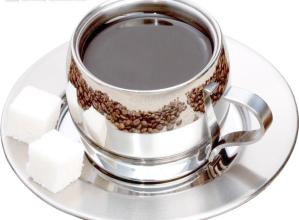
Coffee bean treatment method introduction what is coffee treatment method
After removing the pulp, the quality of coffee honey treatment was better than that of drying treatment, but not as good as washing treatment. This method of processing coffee beans by honey treatment has recently been sought after by coffee lovers. It has a sweet taste and is rich in Crema. It is suitable for extracting Espresso from the base of Italian coffee. The advantage is that it can restore the flavor of coffee beans, the coffee is more sweet, and the taste of red wine is stronger.

Red wine fruit acid Kenyan Jinchugu Coffee Variety characteristics introduction to Fine Coffee beans in Manor
Enbu processing Plant (Embu Washing Station), which comes from Gichugu, adopts Kenyan double washing method and grows in Manyata-Enbu County on the eastern slope of the Kenyan Mountains from 1550 to 1750. The variety is Kenya's classic SL28,SL34, coupled with the large temperature difference between day and night in the deceived area, and the red phosphoric acid soil in Kenya, which makes the sour and sweet become the second order of this Kenyan branch.
Sugar cane juice Red Wine Fruit Acid Kenyan Jinchu Coffee Flavor, characteristics, taste and Manor introduction
Enbu processing Plant (Embu Washing Station), which comes from Gichugu, adopts Kenyan double washing method and grows in Manyata-Enbu County on the eastern slope of the Kenyan Mountains from 1550 to 1750. The variety is Kenya's classic SL28,SL34, coupled with the large temperature difference between day and night in the deceived area, and the red phosphoric acid soil in Kenya, which makes the sour and sweet become the second order of this Kenyan branch.